Mild Steel Reducers About
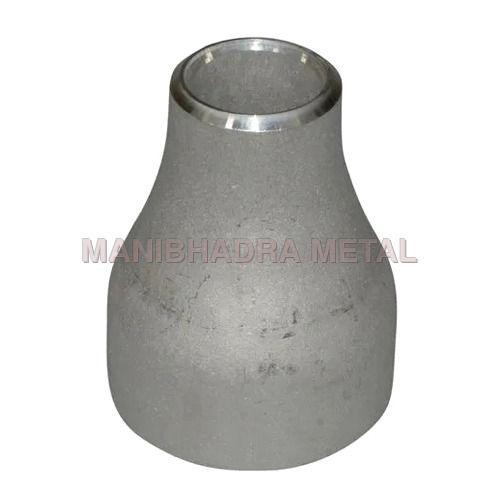
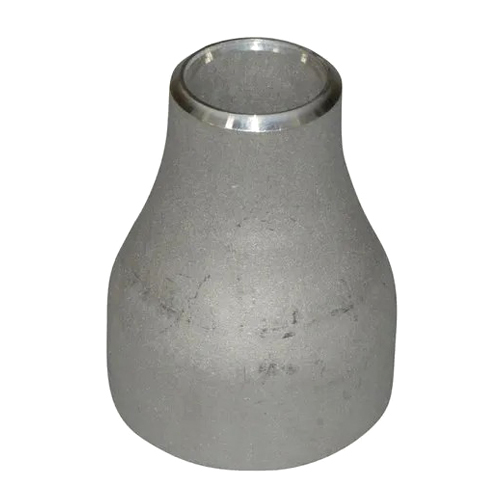
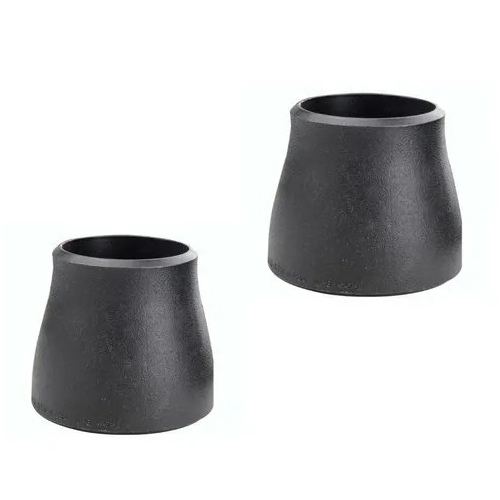
Mild Steel Reducer is used to reduce the size of a pipe or fitting. It is more suitable for use in a variety of settings including industrial, commercial, residential, and optimum performances. This reducer is commonly used to connect two pipes of different sizes, or to change the direction of flow in a pipe. It is highly demanded in plumbing, HVAC, and industrial applications. Also, it is corrosion and rust-resistant, easy to clean, hygienic, durable, and has high impact strength. In addition to this, the offered Mild Steel Reducer can be purchased from us at the most economical rates within promised time span.
Versatile Application and Robust PerformanceEngineered for demanding environments, these mild steel reducers serve vital roles in pipeline and industrial installations, offering concentric or eccentric designs. Their seamless or welded construction, combined with galvanized surfaces, ensures operational efficiency and resilience. These reducers are adaptable for both standard and highly specific needs, with customization and various coatings available upon request.
Strict Quality Control and Safe PackagingEach reducer is subject to hydro and destructive testing to assure mechanical integrity and strength. Tolerance levels are maintained at 0.5 mm, consistent with stringent industry standards such as AISI and material grades IS 2062 and ASTM A36. Safe delivery is ensured by sturdy packing in wooden boxes or gunny bags, safeguarding the product during transit.
FAQ's of Mild Steel Reducers:
Q: How are mild steel reducers installed in a pipeline system?
A: These reducers are designed for butt weld connections, meaning they are welded directly onto the pipeline. Proper end preparation-beveled or plain-is provided to facilitate strong, secure, and leak-proof welds that integrate seamlessly with the pipeline infrastructure.
Q: What surface treatments and coatings are available for these reducers?
A: Reducers can be supplied with galvanized coatings, zinc or primer finishes, and even customized coatings as per client requirements. These treatments enhance moderate corrosion resistance, prolonging the service life in chemically aggressive or moisture-rich environments.
Q: When is it necessary to choose between concentric and eccentric reducers?
A: Concentric reducers are typically used when maintaining a central pipeline alignment is crucial, such as vertical piping. Eccentric reducers are preferable where the pipeline needs offset alignment, helping avoid air accumulation or pooling in horizontal runs.
Q: Where are these mild steel reducers commonly applied?
A: They are widely utilized in oil & gas, water supply networks, and chemical processing plants. Their ability to handle pressures up to 25 bar and temperatures from -20C to +400C makes them suitable for a range of industrial fluid transport applications.
Q: What is the process for customizing reducers to specific project requirements?
A: Customers can request customized reducers by specifying dimensions, surface coatings, or tolerance needs. The manufacturer then produces to order, ensuring all requirements are met through tailored production and quality control processes.
Q: How does hydro testing contribute to product reliability?
A: Hydro testing subjects the reducer to high water pressure to verify its ability to withstand stress and prevent leaks or failures during operation. This ensures each piece meets the expected safety and performance benchmarks before delivery.

 Send Inquiry



 Send Inquiry

 Send Inquiry


